
New Age holidays-
Vietnam
Designed for travellers seeking both luxury and exploration, this Vietnam package offers a perfect balance of city tours, cultural sites,...
This all-inclusive package takes the stress out of travel – with flights, hotels, transfers, meals, and guided tours all covered....

Discover Vietnam’s charm with this 7-day journey that blends culture, history, and breathtaking landscapes. Stay in handpicked 4-star hotels, enjoy...
Overview
Discover Vietnam – A Journey Full of Colors
Vietnam is a beautiful country in Southeast Asia. It lies along the coast of the South China Sea, sharing borders with China, Laos, and Cambodia. When you look at the map, it’s shaped a bit like the letter “S”.
Vietnam is a mix of natural beauty, rich history, and warm hospitality.
Golden beaches for relaxation
Lively cities full of energy
Peaceful villages surrounded by rice fields
Ancient temples and UNESCO World Heritage Sites
It’s a country where every traveler finds something special.
Quick Facts about Vietnam
Location: Southeast Asia – bordered by China, Laos, and Cambodia, with a long coastline along the South China Sea
Capital City: Hanoi – a city of lakes, old streets, and French-style buildings
Area: Around 331,000 square kilometers (a bit smaller than Maharashtra!)
Language: Vietnamese is the official language, but English is common in tourist areas
Currency: Vietnamese Dong (VND) – ₹1 is around 300 VND (exchange rates may vary)
Population: About 100 million people
Time Zone: GMT +7
Popular Places to Explore in Vietnam
Northern Vietnam
The north is where Vietnam’s history and natural wonders shine.
Hanoi – The capital city, famous for its Old Quarter, street food, colonial charm, and Hoan Kiem Lake. It’s a perfect mix of tradition and modern life.
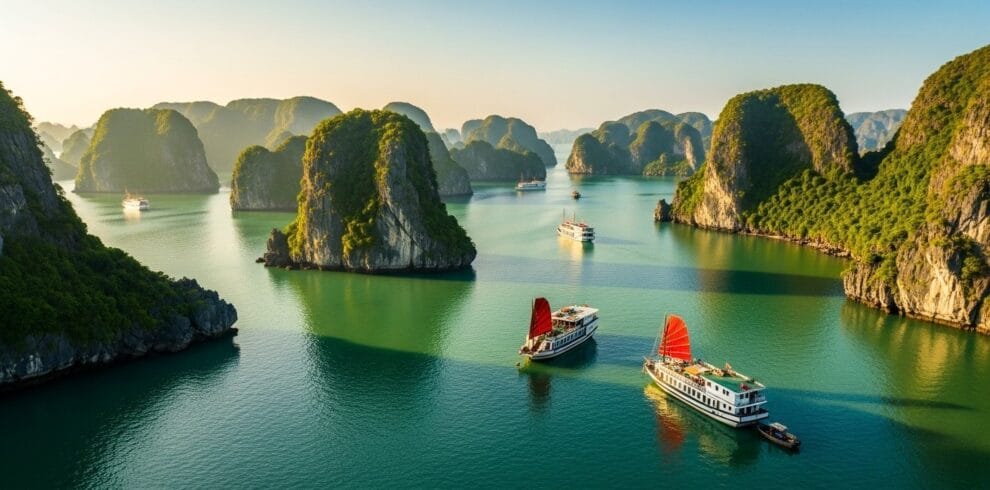
Halong Bay – A UNESCO World Heritage Site, known for emerald waters and thousands of limestone islands. Cruises here feel like sailing through a painting.
Sapa – A cool mountain town with terraced rice fields and colorful ethnic villages. It’s the best place for trekking and seeing rural mountain life.
Ninh Binh – Sometimes called “Halong Bay on land,” this UNESCO site is filled with karst cliffs, caves, boat rides, and Buddhist temples.
Central Vietnam
The center of Vietnam blends history with golden beaches.
Da Nang – A coastal city with long sandy beaches, Ba Na Hills’ Golden Bridge, and a modern yet relaxed vibe.
Hoi An – A UNESCO town with preserved architecture, tailor shops, and magical lantern-lit streets. The food scene here is also unforgettable.
Hue – (Not on your list, but important) The old imperial capital with palaces, tombs, and pagodas along the Perfume River.
Nha Trang – A lively coastal city famous for its nightlife, mud baths, snorkeling, and party vibe.
Southern Vietnam
The south is lively, full of energy, and deeply connected with river life.
Ho Chi Minh City (Saigon) – A fast-paced city where skyscrapers stand beside French colonial buildings. It’s the heart of Vietnam’s shopping, nightlife, and modern culture.
Mekong Delta – A unique region of rivers, floating markets, and farms. Travelers can take boat rides, visit small islands, and see how locals live on water.
Phu Quoc Island – Vietnam’s beach paradise with clear waters, palm-lined shores, and luxury resorts. Perfect for a relaxing holiday.
Traveling in Vietnam isn’t just about seeing places—it’s about living the moments. Ride a motorbike through the busy streets of big cities to feel the real energy of Vietnam. Spend a night on a cruise in Halong Bay, surrounded by limestone cliffs and calm waters. Trek through Sapa’s rice fields and meet friendly hill tribes who welcome you into their culture. Watch the lantern festival in Hoi An, where the town glows with magical colors. And of course, taste Vietnam through food tours or even join a cooking class to learn the secrets behind pho and spring rolls.
Vietnam is a country full of colors, flavors, and adventures—ready to give you memories that will last a lifetime.
Places That You Can’t Miss
Best Places to Visit in Vietnam
Vietnam is a land full of stories, colors, and surprises. It is shaped like the letter S and stretches along the sea. When you travel from the north to the south, you will notice how different every part of the country feels. The north is cool and full of mountains, the center has golden beaches and ancient towns, and the south is busy, lively, and home to rivers and islands. Every stop feels like turning the page of a new storybook. Let’s begin the journey step by step.
Hanoi – The Capital Full of Life
Your journey starts in Hanoi, the capital city of Vietnam. This city is a mix of old and new. On one side, you see French-style buildings and wide roads, and on the other side, small busy markets and narrow lanes.
The Old Quarter is the heart of the city, where you can walk through streets full of shops, street food stalls, and colorful houses. Around Hoan Kiem Lake, people gather every morning for exercise, and at night the area glows with lights.
You can visit the Temple of Literature, which is Vietnam’s first university, and the Hanoi Opera House, which shows the charm of French architecture. The food here is unforgettable—try a hot bowl of pho or a crispy banh mi sandwich.
Spend 2–3 days to enjoy the culture, history, and food of the capital.
Halong Bay – A Sea of Islands
A few hours from Hanoi is the magical Halong Bay, one of the most famous places in Vietnam. Imagine calm, green water with thousands of tall limestone islands rising out of it.
The best way to enjoy Halong Bay is by taking an overnight cruise. As your boat moves slowly through the water, you can see caves, floating villages, and hidden lagoons. In the evening, you can kayak, watch the sunset, and then sleep on the boat as stars shine above. Waking up in the morning with mist around the islands feels like being inside a dream.
Spend 1–2 days, with one night on a cruise, to see the real beauty of Halong Bay.
Sapa – Mountains and Rice Fields
Travel north and you will find Sapa, a cool mountain town surrounded by terraced rice fields that look like green steps climbing up the hills.
This is the place for trekking and meeting friendly hill tribe people who wear colorful clothes and still follow their old traditions. You can walk through valleys covered in mist, visit local markets, and stay in small homestays with families. It’s a place where you not only see nature but also feel close to the people who live here. Photographers love Sapa for its views, and travelers love it for its peaceful life.
Spend 2–3 days to trek, explore villages, and enjoy the cool mountain air.
Ninh Binh – Nature’s Secret Paradise
South of Hanoi lies Ninh Binh, often called Halong Bay on land. Here, tall limestone cliffs rise above green rice fields and winding rivers. The best way to explore Ninh Binh is by taking a small rowboat through Tam Coc or Trang An, where the boat passes under caves and between cliffs. If you climb to the top of Hang Mua viewpoint, you will see a stunning view of the whole valley.
Ninh Binh is quiet, peaceful, and feels like a secret world hidden away from the busy cities.
Spend 1–2 days to enjoy boat rides, temples, and viewpoints.
Hue – The Royal City
Moving to central Vietnam, you reach Hue, the old imperial capital. This city is full of history. Along the Perfume River, you can see the grand Imperial Citadel, ancient royal tombs, and peaceful pagodas.
Hue is not just about old buildings—it is also known for its special food, which was once prepared for kings and queens. Walking through Hue feels calm and quiet, like you are traveling back in time to the days of emperors.
Spend 1–2 days to see the citadel, tombs, and try Hue’s royal-style dishes.
Hoi An – A Town of Lanterns
Not far from Hue is Hoi An, one of the most beautiful towns in Vietnam. Hoi An looks like a storybook—narrow streets, yellow old houses, riverside cafes, and at night, thousands of colorful lanterns light up the town. It is also famous for tailor shops, where you can get clothes made in just a day. You can join cooking classes, explore local markets, or relax at the nearby An Bang Beach.
The most magical time is during the Full Moon Lantern Festival, when the entire town glows and lanterns float on the river.
Spend 2–3 days to enjoy shopping, food, and the lantern festival.
Da Nang & Ba Na Hills – City by the Sea
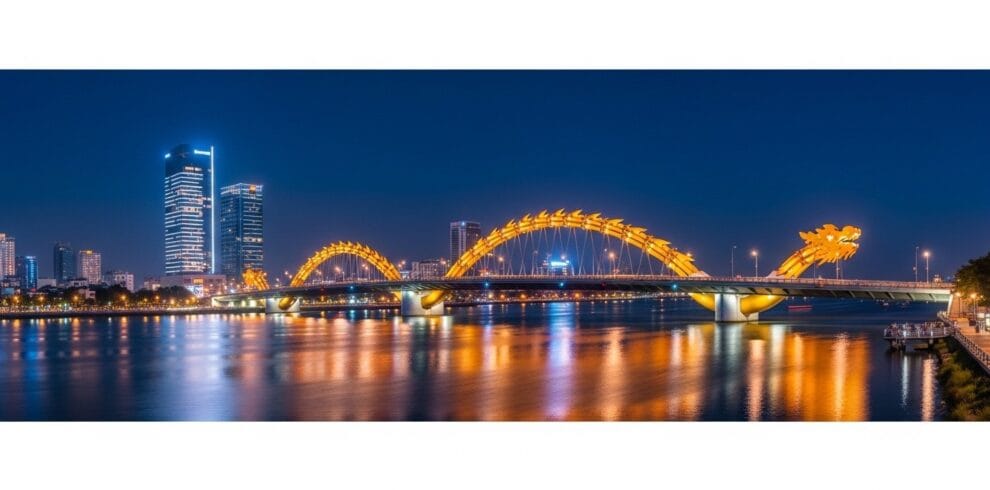
Close to Hoi An is Da Nang, a city with clean beaches and a relaxed feel. You can walk on the famous Golden Bridge, which looks like giant stone hands are holding it in the sky.
The city is also known for its modern bridges that shine at night and for My Khe Beach, where you can swim and relax. Da Nang is a good place to stop between Hoi An and Hue, offering both comfort and natural beauty.
Spend 2 days for beaches, the Golden Bridge, and city sights
Ho Chi Minh City (Saigon) – The City That Never Sleeps
In the south, you arrive in Ho Chi Minh City, also called Saigon. This is the biggest city in Vietnam and is always full of life. Tall skyscrapers stand beside French buildings like the Notre Dame Cathedral. You can explore the Cu Chi Tunnels, visit the Jade Emperor Pagoda, or get lost in the busy markets of Chinatown.
The best way to see the city is by joining a motorbike tour, zooming through streets like a local. The street food here is endless—from banh xeo pancakes to sweet iced coffee—you could spend days just eating.
Spend 2–3 days to enjoy the mix of history, modern life, and food.
Mekong Delta – The River World
A short trip from Ho Chi Minh City takes you to the Mekong Delta, where life happens on water.
Boats carry fruits, flowers, and even breakfast noodles at the floating markets. You can ride along small canals, taste fresh tropical fruits, and watch the simple, happy life of villagers. The Mekong Delta shows you a different side of Vietnam—calm, green, and full of smiles.
Spend 1–2 days with boat rides and village visits.
Phu Quoc – The Island Paradise
Finally, your journey ends at Phu Quoc, the largest island of Vietnam. Here, soft white beaches meet turquoise water, and palm trees sway in the wind. You can swim, snorkel, or just relax by the sea. At night, the island’s markets come alive with seafood stalls and local snacks.
Phu Quoc is the perfect ending—a place where you can slow down, rest, and enjoy the beauty of nature.
Spend 2–4 days for a relaxing holiday by the beach.
From busy cities to calm rivers, from lantern-lit towns to sunny beaches, Vietnam gives you every kind of experience. Whether you have one week or two, you can create your own path—spending more time in the places you love most. No matter where you go, Vietnam will stay in your heart long after your journey ends.
Timing Matters
Best Time to Visit Veitnam
Vietnam is long and shaped like the letter S, so the weather is not the same everywhere. But don’t worry—it’s a place you can visit almost any time of the year. Here’s how each season feels:
Winter (December – February)
Winter in Vietnam is cool in the north (Hanoi, Sapa, Halong Bay). You may need a light jacket, especially in the mountains where it can get quite chilly. In the south (Ho Chi Minh City, Mekong Delta, Phu Quoc), it’s sunny and dry, which makes it the best season for beaches and boat trips.
This is one of the most popular times to visit Vietnam.
Spring (March – May)
Spring is warm and pleasant everywhere. The north becomes greener, Halong Bay looks stunning, and Sapa’s rice terraces start to bloom. Central Vietnam (Hue, Hoi An, Da Nang) has lovely sunshine and is great for exploring towns and beaches. The south is still dry, making it perfect for sightseeing and outdoor activities.
A great season for festivals, photography, and exploring both cities and countryside.
Summer (June – August)
Summer brings hot weather and more rain, especially in the north and south. Central Vietnam, however, gets lots of sunshine—making Da Nang, Hoi An, and Nha Trang perfect for a beach holiday. In the mountains like Sapa, the rice fields turn bright green, which looks beautiful.
Good for beach trips and mountain views, but carry an umbrella for sudden showers.
Autumn (September – November)
Autumn is another beautiful time to visit. The weather is cooler and drier. In the north, Hanoi and Halong Bay have clear skies and comfortable temperatures. Central Vietnam is still warm and sunny, while the south gets less rain compared to summer.
Perfect season for sightseeing, walking tours, and outdoor adventures.
Vietnam Month-by-Month Guide
How to Decide When to Visit Thailand
January – Cool in the north (Hanoi, Sapa) – sometimes foggy in the mountains. South (Ho Chi Minh City, Phu Quoc) is sunny and great for beaches. A popular time for tourists.
February – The weather is dry and pleasant everywhere. North is still cool, south is warm, and central areas are comfortable. Around this month, Vietnam celebrates Tet (Lunar New Year), the biggest festival of the year.
March – One of the best months. Warm sunshine across the country. Perfect for Halong Bay cruises, Hanoi sightseeing, and exploring Hoi An and Da Nang.
April – One of the best months. Warm sunshine across the country. Perfect for Halong Bay cruises, Hanoi sightseeing, and exploring Hoi An and Da Nang.
May – The heat starts to rise, especially in the north and south. Central Vietnam beaches (Hoi An, Da Nang, Nha Trang) are perfect at this time. Fewer tourists compared to earlier months.
June – Hot and rainy season begins in the north and south. But central Vietnam is at its best for beach lovers. Sapa is green with rice terraces, good for trekking.
July – Similar to June—hot and wet in the north and south, but sunny in the central coast. Good month for Da Nang, Nha Trang, and Hoi An beach holidays.
August – Still warm and humid. Central Vietnam remains sunny, while rain continues in the north and south. Sapa rice fields look beautiful at this time.
September – The rains start to slow down. North Vietnam (Hanoi, Halong Bay) becomes cooler and clearer. Central is still sunny, and the south gets less rain. A good time to visit.
October – One of the best months! The north is cool and dry, perfect for Halong Bay and trekking in Sapa. Central may see short rains, but overall pleasant. South is sunny again.
November – Beautiful weather everywhere. Clear skies in the north, cooler air in the mountains, and dry conditions in the south. A great month to travel across the whole country.
December – Winter in the north – cool and sometimes cold in Sapa and Hanoi. Central Vietnam is mild, and the south is dry and sunny. Perfect time for Phu Quoc island holidays and Mekong Delta boat trips.
Vietnam is a country you can enjoy all year round. Each month offers something different—whether it’s the cool misty mountains in the north, the sunny beaches in the center, or the warm tropical islands in the south.
If you love trekking and nature, visit in autumn (Sep–Nov). If beaches and sunshine are your dream, head to central Vietnam from May–August. For culture, festivals, and clear skies, spring (Feb–Apr) and winter (Dec–Jan) are perfect.
No matter when you come, Vietnam will welcome you with its rich history, tasty food, and beautiful landscapes.
Do I need a visa to visit Vietnam?
Yes, most travelers need a visa. Some countries can visit without a visa for up to 45 days. Everyone else can apply for an e-Visa online, which is valid for up to 90 days.
How can I get an e-Visa?
You can apply online through the official government website. Just fill in your passport details, travel dates, and pay the fee. Normally, you get the result in 3–5 days.
What about passport rules?
Your passport must be valid for at least 6 months after your travel dates.
Do I need travel insurance?
It’s a good idea. Insurance can help with medical care, lost bags, or accidents. Very useful if you are visiting villages or trekking areas.
How do I travel between cities?
You can take flights, trains, buses, or private cars. Motorbikes are common too, but ride only if you are confident and have a proper license.
What currency is used in Vietnam?
The currency is Vietnamese Dong (VND). Small shops and markets prefer cash. Hotels and big restaurants accept credit cards.
Should I carry cash or card?
Carry both. Cash for daily spending and cards for larger payments. ATMs are easy to find in cities.
Do I need to follow a dress code when visiting temples?
For temples and religious sites, dress modestly. Cover your shoulders and knees, and remove hats before entering.
Is vegetarian food available?
Yes, many restaurants offer vegetarian dishes, especially in big cities and tourist areas.
