
New Age holidays-
Dream Of BALI
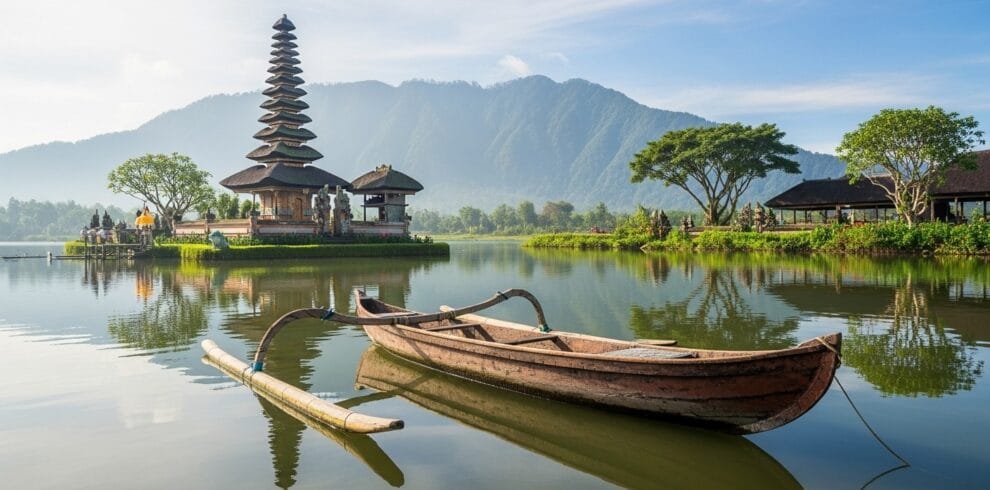
Celebrate your love in Bali with our *4-night honeymoon package at the luxurious Grand Zuri Hotel Kuta (4)**. This romantic...
Overview
Welcome to Bali – The Island of the Gods!
Bali is a small but world-famous island in Indonesia, loved for its golden beaches, green rice terraces, and colorful culture. It’s part of a group of islands called the Lesser Sunda Islands, sitting between Java on the west and Lombok on the east. Surrounded by the Indian Ocean, Bali offers something for everyone — from peaceful temples to adventurous water sports.
Quick Facts About Bali
Area: About 5,780 km²
Population: Around 4.4 million (2025)
Capital City: Denpasar
Nearby Small Islands: Nusa Penida, Nusa Lembongan, and Nusa Ceningan
Main Airport: Ngurah Rai International Airport (Denpasar)
Bali on the Map
Bali is located in Southeast Asia. The south has lively beaches and resorts, the center is full of forests and rice terraces, and the north is home to volcanoes and quiet black sand beaches.
Geographic Coordinates: 8.3405°S, 115.0920°E
Popular Regions & Highlights
South Bali:
Kuta – famous for surfing, nightlife, and shopping
Seminyak – luxury resorts, beach clubs, high-end dining
Nusa Dua – calm beaches and 5-star resorts
Jimbaran – romantic seafood dinners on the sand
Uluwatu – cliffside temples and dramatic sunsets
Central Bali:
- Ubud – arts, culture, wellness retreats
- Tegallalang – UNESCO rice terraces
- Mount Batur – active volcano with sunrise hikes
East Bali:
Amed & Candidasa – diving and peaceful beaches
Tirta Gangga – water palace surrounded by gardens
West Bali:
West Bali National Park – wildlife, birdwatching, nature walks
Offshore Islands:
- Nusa Penida – cliffs, hidden beaches, snorkeling
- Nusa Lembongan & Nusa Ceningan – laid-back island life and water sports
Nature & Landscapes
Mountains & Volcanoes: Mount Agung and Mount Batur
Rice Terraces: Tegallalang and Jatiluwih
Waterfalls: Sekumpul, Banyumala Twin Falls
Beaches: White sand in the south, black volcanic sand in the north
Nature & Landscapes
Bali is unique in Indonesia because most people here follow Balinese Hinduism. You’ll see offerings on the streets, temple festivals, and traditional dances almost every day.
Food You Must Try
Nasi Goreng – fried rice
Satay – grilled skewers with peanut sauce
Mie Goreng – fried noodles
Fresh Seafood – especially in Jimbaran
Places That You Can’t Miss
Best Places to Visit in Bali
Bali isn’t just a destination — it’s an experience. Each corner has its own story, its own charm, and its own magic. Here’s where your journey should take you:
1. Uluwatu Temple – Where the Ocean Meets the Sky
Why Go: Standing on the edge of a 70-meter-high cliff, this temple feels like it’s floating above the endless blue ocean.
What to See & Do:
Watch the Kecak Fire Dance at sunset, with the waves roaring below.
Explore the temple grounds and enjoy panoramic sea views.
Special Highlight: The golden hour here is unforgettable — the sun dips into the ocean as chanting fills the air.
Time to Spend: 2–3 hours (evening is best).
2. Ubud & Tegallalang Rice Terraces – The Green Heart of Bali
Why Go: This is where Bali slows down, where emerald rice fields stretch as far as you can see.
What to See & Do:
Walk through Tegallalang Rice Terraces, a UNESCO site.
Visit Ubud Monkey Forest — playful monkeys and ancient temples.
Explore art galleries, yoga retreats, and craft markets.
Special Highlight: Sunrise here paints the terraces gold — a photographer’s dream.
Time to Spend: Half day to full day.
3. Nusa Penida – Bali’s Wild Island Escape
Why Go: For dramatic cliffs, hidden beaches, and a raw, untouched feel.
What to See & Do:
Stand above Kelingking Beach — the famous T-Rex-shaped cliff.
Swim in Angel’s Billabong and see the natural infinity pool.
Snorkel at Crystal Bay with manta rays.
Special Highlight: Every corner here feels like a movie scene.
Time to Spend: Full day (fast boat from Sanur takes 30–45 mins).
4. Tanah Lot Temple – Bali’s Iconic Sunset Spot
Why Go: One of the most photographed places in Bali, set on a rock in the sea.
What to See & Do:
Visit at low tide to walk closer to the base.
Watch the waves crash dramatically against the rocks.
Special Highlight: The temple silhouette against a fiery sunset is pure magic.
Time to Spend: 1–2 hours (best in late afternoon).
5. Seminyak – Luxury Meets Beach Vibes
Why Go: A perfect blend of modern luxury, artistic charm, and vibrant beachfront energy.
What to See & Do:
Relax at Potato Head Beach Club.
Shop in boutique stores and art galleries.
Special Highlight: Sunset cocktails with live music by the sea.
Time to Spend: Half day to evening.
6. Kuta – Surf, Shop, and Party
Why Go: The energetic side of Bali — perfect for first-time visitors.
What to See & Do:
Learn to surf on Kuta Beach.
Visit Waterbom Bali, one of Asia’s best water parks.
Explore bustling streets lined with shops and cafes.
Special Highlight: Sunset surf sessions with the sky glowing pink.
Time to Spend: Half day to full day.
7. Mount Batur – Sunrise Above the Clouds
Why Go: Trekking to watch the sun rise from an active volcano.
What to See & Do:
Early morning hike (starts at 3–4 AM).
Enjoy breakfast cooked on volcanic steam vents.
Special Highlight: A glowing sun over Lake Batur and mountain peaks.
Time to Spend: 6–7 hours (including hike).
8. Jimbaran – Dinner by the Sea
Why Go: Romantic sunsets with seafood feasts right on the sand.
What to See & Do:
Choose fresh seafood from beachside restaurants.
Swim or relax on the calm beach.
Special Highlight: Candle-lit tables under the stars with the sound of waves.
Time to Spend: Evening to night.
9. Bali Waterfalls – Hidden Jungle Gems
Why Go: Perfect for cooling off and escaping the crowds.
What to See & Do:
Sekumpul Waterfall – the most majestic in Bali.
Banyumala Twin Falls – two waterfalls side by side.
Tibumana – easy access and peaceful surroundings.
Special Highlight: Swimming in natural pools under lush greenery.
Time to Spend: 1–3 hours per waterfall.
10. Nusa Lembongan & Nusa Ceningan – Laid-back Island Life
Why Go: Crystal-clear water and a slower pace.
What to See & Do:
Cross the famous Yellow Bridge between the islands.
Snorkel, dive, or just relax at beach cafes.
Special Highlight: The water here is some of the bluest you’ll ever see.
Time to Spend: Full day or overnight stay.
Timing Matters
Best Time to Visit Bali
Bali is beautiful all year, but the way you experience it depends on when you go. Think of it like choosing between different moods — sunny and lively, cool and calm, or rainy and peaceful.
Dry Season – April to October
This is when Bali shows off its brightest colors. The skies are clear, the beaches are golden, and the sea is perfect for swimming or surfing.
It’s the ideal time for temple visits, volcano treks, and lazy afternoons by the pool. But from June to September, the island is at its busiest. Popular spots can feel crowded, and hotel prices are higher. If you don’t mind sharing the view, you’ll get Bali at its sunniest and most energetic.
Rainy Season – November to March
The rain here doesn’t always mean gloomy days — often it comes in short bursts that cool the air. The island turns lush green, especially the rice terraces, and everything feels calmer.
It’s quieter, cheaper, and perfect for spa days, yoga, or sipping coffee in a cozy café while the rain falls outside. But some outdoor plans might get delayed, and the sea can be rough for certain water sports.
In-Between Months – April, May & October
These months are Bali’s sweet spot. You’ll get mostly sunny days, fewer crowds, and prices that aren’t as high as peak season.
It’s a comfortable balance — you can explore, relax, and still find quiet moments on even the most famous beaches.
Bali Month-by-Month Guide
January – Peak rainy season. Frequent showers keep the island green and quiet. Great for temples, rice fields, and wellness retreats.
February – Still wet, still peaceful. Cheaper stays, warm days, and cozy café weather.
March – Rain eases off. The island is lush and fresh — perfect for nature lovers. Nyepi (Balinese New Year) brings a unique cultural experience.
April – Sunshine returns, prices still reasonable. Ideal for beaches, hikes, and cultural exploration.
May – Steady weather, calm seas, and fewer crowds. A sweet time for travelers.
June – Dry, sunny, and lively. Perfect for outdoor adventures. Crowds begin to grow.
July – Peak season. Great weather, packed beaches, and vibrant nightlife. Book early.
August – Like July — buzzing energy, clear skies, and high demand. Plan ahead.
September – Still dry but more relaxed. A mix of great weather and fewer tourists.
October – Warm days, light rains, and greener landscapes. Calm and peaceful.
November – Rain increases, but it’s still warm. Good for indoor activities and spa days.
December – Sunshine mixed with tropical rain. Festive holiday vibes fill the island.
How to Decide
If you love lively beaches and buzzing nightlife, go in the dry season.
If you prefer calm streets, green landscapes, and lower costs, visit in the rainy months.
If you want a bit of both, pick the in-between months and enjoy the best of both worlds.
Do I need a visa to visit Bali for tourism in 2025?
Yes, you will need a visa to visit Bali for tourism in 2025, unless you are from one of the visa-exempt countries in Southeast Asia. These include Brunei, Cambodia, Indonesia, Laos, Malaysia, Myanmar (Burma), the Philippines, Singapore, Thailand, Timor-Leste, and Vietnam.
Can I get a Visa on Arrival for Bali?
Yes, most travelers can get a Visa on Arrival (VOA) when they land at Bali’s Ngurah Rai International Airport (Denpasar) or other entry points in Indonesia. This visa is valid for 30 days and can be used for tourism, social visits, or certain business purposes.
How much is the Visa on Arrival fee?
The Visa on Arrival (VOA) fee for Bali in 2025 is IDR 500,000 (about USD $30) per person for a 30-day stay. The price is the same whether you get it at the airport or apply online (e-VOA), though applying online may include a small service charge.
You can extend the VOA once for another 30 days by paying an additional IDR 500,000.
Note: This is separate from Bali’s tourism levy of IDR 150,000 (about USD $10), which all international visitors must pay when entering. For a smoother arrival, it’s a good idea to pre-register for Bali’s e-gates (automatic immigration gates).
What currency is used in Bali?
The currency is the Indonesian Rupiah (IDR). Cash is widely used, especially in small shops and markets, but credit cards are accepted in hotels and larger restaurants.
Is Bali safe for tourists?
Yes, Bali is generally very safe. Just be careful with your belongings in crowded areas, wear helmets if riding a scooter, and be cautious when swimming in strong waves. Also please be careful of your belongings while walking on the streets and riding on the motorbike. Also consider withdrawing money from the bank branch ATMs when possible.
How can I get around Bali?
The most common ways are by taxi, ride-hailing apps like Grab or Gojek, renting a scooter, or hiring a private driver. For Nusa Penida and other islands, you’ll need a boat. For driving rental scooters/bikes in Bali you must have International Driving License. This is crucial as in case of accident, you may face problem with the local police and your health insurance company.
Can I drink the tap water in Bali?
No — it’s safer to drink bottled or filtered water. Many hotels and villas provide free drinking water.
What language do people speak in Bali?
Balinese and Indonesian are the main languages, but English is widely spoken in tourist areas.
When is the cheapest time to visit Bali?
November to March (rainy season) usually has lower prices for hotels and flights.
